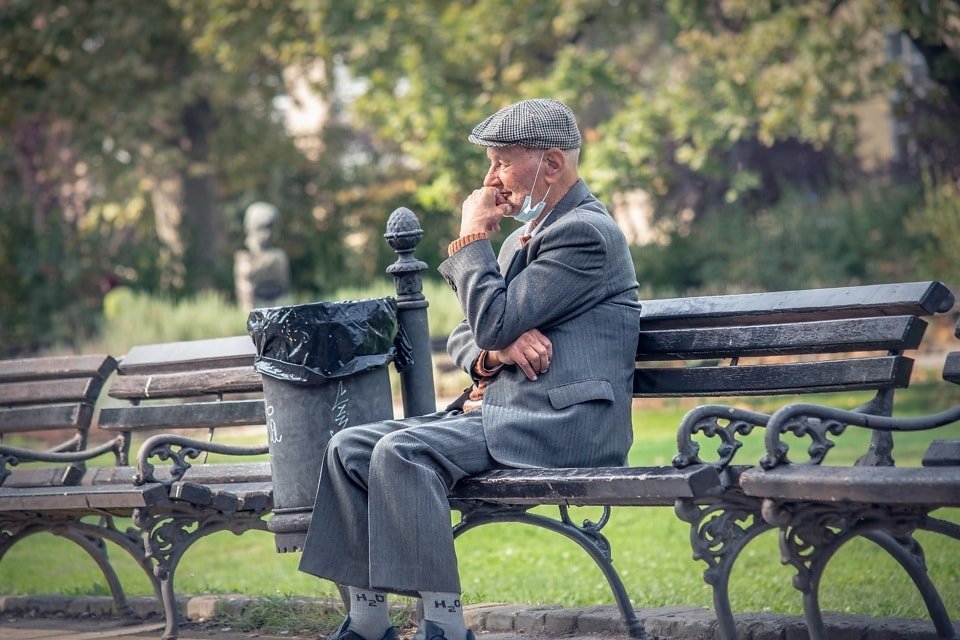
Loneliness in Elderly: Understanding the Silent Pain, Emotional Needs, and the Path to Dignified Healing
Loneliness in Elderly is a growing emotional and mental health concern. Learn its meaning, causes, effects, healing steps, and Indian government helplines for support.
Introduction: The Quiet Loneliness That Comes With Age
Loneliness does not always arrive loudly. Sometimes, it sits quietly beside an elderly person—on an empty chair, in a silent room, or in the pause between unanswered phone calls.
Loneliness in elderly is one of the most overlooked emotional struggles in society. While aging brings wisdom and experience, it can also bring isolation, loss, and a painful sense of being forgotten.
This article is written with deep respect for older adults who carry their pain silently, for families who want to understand, and for caregivers who wish to help with compassion.
Table of Contents
1. What Is Loneliness in Elderly?
Loneliness in elderly refers to the emotional distress experienced by older adults when they feel disconnected, unseen, or emotionally unsupported—regardless of whether they live alone or with others.
It is not just about being physically alone. Many elderly people feel lonely even in crowded homes or care facilities because emotional connection is missing.
Loneliness in later life often feels heavier because it comes with memories, loss, and reflection.
2. Why Loneliness in Elderly Is Increasing Today
Modern society has changed rapidly, but emotional needs remain the same.
Some major reasons loneliness in elderly is increasing include:
- nuclear family structures
- children migrating for work
- reduced social interaction
- digital communication replacing personal visits
- loss of spouse or lifelong friends
As roles change, many elderly people feel they are no longer needed, which deepens loneliness.
3. Loneliness in Elder Age vs Being Alone
Being alone and feeling lonely are not the same.
| Being Alone | Loneliness in Elderly |
|---|---|
| Physical state | Emotional pain |
| Can feel peaceful | Feels empty |
| Often temporary | Often prolonged |
| Chosen sometimes | Usually unwanted |
An elderly person may live with family and still feel lonely if emotional warmth is missing.
4. Emotional Causes of Loneliness in Elderly
Loneliness in elderly is often rooted in emotional experiences such as:
- loss of spouse
- separation from children
- reduced independence
- feeling ignored or burdensome
- lack of meaningful conversation
Over time, these experiences create a deep sense of emotional invisibility.
5. Loneliness After Retirement
Retirement changes daily structure, identity, and social interaction.
For many elderly individuals:
- work once gave purpose
- colleagues provided connection
- routine gave meaning
When this suddenly ends, loneliness can quietly enter. Without new engagement, emotional isolation grows.
6. Loneliness in Elder Age and Loss of Loved Ones
Grief plays a major role in loneliness in elderly.
Losing a life partner or close friends creates emotional silence that is hard to explain. Memories remain, but companionship fades.
Loneliness after loss is not weakness—it is love continuing without a place to go.
7. Health Issues and Loneliness in Elder Age
Physical health challenges can intensify loneliness.
Limited mobility, chronic illness, or sensory loss (hearing, vision) often reduce social interaction. Over time, the elderly may withdraw—not because they want to, but because it feels exhausting.
Loneliness then becomes both emotional and physical.
8. Loneliness in Elderly and Mental Health
Prolonged loneliness in elderly is strongly linked to mental health issues such as:
- depression
- anxiety
- sleep disturbances
- memory decline
Many elderly people do not openly express emotional pain, making loneliness harder to detect.
For deeper understanding, read:
👉 https://loneliness.co.in/loneliness-and-depression/
9. Social Isolation vs Loneliness in Elderly
Social isolation refers to lack of social contact, while loneliness is emotional distress.
An elderly person may be socially isolated but emotionally content—or socially active yet deeply lonely.
Learn more here:
👉 https://loneliness.co.in/social-isolation/
10. Cultural Silence Around Elderly Loneliness
In many cultures, elderly people are expected to be “strong” and “adjusted.” Expressing loneliness is often seen as complaining.
This silence increases emotional suffering. Loneliness in elderly becomes invisible because it is unspoken.
11. Digital Divide and Elderly Loneliness
Technology connects the world—but often excludes the elderly.
Difficulty using smartphones, social media, or video calls can leave older adults feeling disconnected from family life.
Digital exclusion quietly deepens loneliness in elderly.
12. Emotional Signs of Loneliness in Elderly
Loneliness in elderly may show as:
- withdrawal from conversation
- sadness without clear reason
- irritability
- loss of interest in activities
- excessive sleep or insomnia
These signs are often misunderstood as “normal aging,” but they deserve attention.
13. When Loneliness in Elderly Leads to Depression
Long-term loneliness can develop into depression if left unaddressed.
Warning signs include:
- persistent sadness
- feelings of worthlessness
- hopelessness
- loss of appetite
- thoughts of giving up
If these appear, professional support is essential.
14. Indian Government Mental Health Helplines for Elderly
If loneliness or depression is affecting an elderly person, free and confidential help is available in India:
📞 Tele-MANAS – National Mental Health Helpline
14416 or 1800-891-4416 (24×7)
🌐 https://telemanas.mohfw.gov.in
📞 KIRAN Mental Health Rehabilitation Helpline
1800-599-0019
Provides emotional support and mental health guidance.
Reaching out is an act of dignity, not weakness.
15. The Role of Family in Reducing Loneliness in Elderly
Small gestures make a big difference:
- listening patiently
- regular conversations
- involving elderly in decisions
- respecting their experiences
Loneliness in elderly often fades when they feel valued.
16. How Companionship Heals Loneliness
Companionship does not always require constant presence.
Quality interaction—shared meals, meaningful talks, emotional validation—creates connection and reduces loneliness.
17. Loneliness in Elderly Living Alone
Many elderly individuals live alone due to circumstances, not choice.
Living alone does not automatically cause loneliness, but lack of emotional connection does.
For related understanding, read:
👉 https://loneliness.co.in/feeling-alone/
18. Being Alone vs Being Happy Alone in Old Age
Some elderly people enjoy solitude and inner peace.
Being alone becomes healthy when it is chosen, meaningful, and emotionally supported.
Read more here:
👉 https://loneliness.co.in/alone-and-happy/
19. Fear of Being Alone in Elderly
Aging can bring fear of abandonment, illness, or death.
The fear of being alone intensifies loneliness when emotional reassurance is missing.
Learn more:
👉 https://loneliness.co.in/fear-of-being-alone/
20. Community Support and Elderly Loneliness
Community centers, spiritual groups, and social activities provide purpose and belonging.
When elderly people feel included, loneliness slowly softens.
21. Emotional Healing Takes Time
Loneliness in elderly does not disappear overnight.
Healing begins with:
- listening without judgment
- acknowledging emotional pain
- offering consistent connection
Patience matters.
22. A Gentle Message to Elderly Readers
If you are an elderly reader feeling lonely, please remember:
You are not invisible.
You are not a burden.
Your life still holds value, meaning, and dignity.
Your emotions matter.
23. A Message to Families and Caregivers
Loneliness in elderly is not solved by material comfort alone.
Emotional presence is the greatest gift you can offer.
24. Restoring Connection With Compassion
Loneliness in elderly is a silent crisis—but it is not hopeless.
With understanding, emotional support, and community care, elderly individuals can rediscover warmth, purpose, and belonging.
At https://loneliness.co.in, we believe aging deserves compassion, not silence.
25. Loneliness in Elderly Living in Old Age Homes
Many elderly people live in old age homes not because they want to, but because circumstances leave them with no choice. While these spaces may provide safety, food, and medical care, emotional connection is often missing.
Loneliness in elderly living in care facilities often comes from:
- lack of personal attention
- limited emotional bonding
- feeling forgotten by family
- loss of personal identity
Even in shared spaces, loneliness can exist quietly. A room full of people does not always fill an empty heart.
26. The Pain of Feeling Like a Burden
One of the deepest emotional wounds in elderly loneliness is the belief, “I am a burden.”
When older adults feel they are no longer productive or independent, they may stop expressing emotional needs. This silence increases loneliness.
Reassurance, respect, and inclusion help elderly individuals feel valued—not tolerated.
27. Loneliness in Elderly and the Fear of Becoming Invisible
As people age, attention often shifts away from them. Conversations may happen around them, not with them.
This emotional invisibility hurts deeply.
Loneliness in elderly is often less about being alone and more about feeling unseen. A simple act of listening can restore dignity.
28. Emotional Loneliness vs Physical Loneliness
Physical loneliness means being alone in space. Emotional loneliness means being alone in feelings.
Many elderly people experience emotional loneliness even when family members are present. When emotions are ignored or dismissed, connection fades.
True companionship requires emotional presence—not just proximity.
29. How Small Daily Moments Can Reduce Loneliness in Elderly
Loneliness does not always need big solutions. Small moments create powerful emotional impact.
Examples include:
- asking about their day
- sharing meals together
- remembering important dates
- involving them in conversations
- acknowledging their opinions
These small gestures communicate, “You matter.”
30. The Role of Listening in Healing Elderly Loneliness
Often, elderly people do not need advice—they need to be heard.
Listening without interruption, judgment, or hurry helps release emotional pain that has been stored for years.
Being listened to restores connection and reduces loneliness more than any material comfort.
31. Loneliness in Elderly and Unexpressed Emotions
Many elderly individuals grew up in times when expressing emotions was discouraged. They learned to stay silent even when hurting.
Over time, unexpressed emotions turn into loneliness.
Creating a safe emotional space helps elderly people open up without fear.
32. Loneliness in Elderly After Children Move Away
Migration for education or work often separates families across cities or countries.
While children may stay emotionally connected through calls or messages, physical absence can still hurt.
Loneliness in elderly after children move away is common and deeply emotional. Regular communication and reassurance help bridge the distance.
33. When Elderly People Withdraw Socially
Withdrawal is often misunderstood as disinterest.
In reality, elderly people may withdraw because:
- they feel ignored
- they don’t want to trouble others
- social interaction feels exhausting
Gentle encouragement—not force—helps rebuild connection.
34. Loneliness in Elderly and Spiritual Reflection
Many elderly individuals turn inward and reflect on life. This reflection can be peaceful—or painful—depending on emotional support.
Spiritual practices, prayer, or meditation can bring comfort when accompanied by compassion and understanding.
35. Supporting Elderly Emotional Independence
Helping elderly people feel emotionally independent reduces loneliness.
This includes:
- respecting their choices
- encouraging hobbies
- supporting decision-making
- acknowledging their life experiences
Independence restores confidence and emotional balance.
36. The Importance of Routine and Purpose
A sense of purpose reduces loneliness in elderly significantly.
Simple routines like:
- morning walks
- gardening
- reading
- volunteering
- caring for pets
create structure and meaning.
Purpose brings hope.
37. Loneliness in Elderly Is Not a Failure
Feeling lonely does not mean an elderly person has failed at life or relationships.
Loneliness is a human emotion—not a personal flaw.
Normalizing this helps reduce shame and encourages emotional expression.
38. How Society Can Respond With Compassion
Loneliness in elderly is not only a family issue—it is a societal responsibility.
Inclusive communities, respectful interactions, and accessible mental health services create a safer emotional environment for older adults.
39. A Gentle Message to Elderly Readers
If you are an elderly reader feeling lonely, please remember:
Your experiences matter.
Your stories matter.
Your presence matters.
You deserve connection, care, and dignity—at every stage of life.
40. A Message to Younger Generations
One day, you too will age.
The compassion you show today becomes the world you grow old in tomorrow.
Loneliness in elderly can be reduced when empathy becomes action.
41. Final Emotional Reflection
Loneliness in elderly is a quiet ache—but it does not have to be permanent.
With patience, understanding, emotional presence, and support, silence can turn into connection, and loneliness can soften into warmth.
At https://loneliness.co.in, we believe no stage of life should be lived in emotional isolation.
Frequently Asked Questions (FAQs)
1. What causes loneliness in elderly people?
Loneliness in elderly often comes from loss of loved ones, reduced social interaction, health issues, and emotional neglect.
2. Is loneliness in elderly a serious health concern?
Yes. Prolonged loneliness can lead to depression, anxiety, and physical health problems.
3. Can elderly people feel lonely even when living with family?
Yes. Emotional disconnect, lack of communication, and feeling unheard can cause loneliness even in shared homes.
4. How can families reduce loneliness in elderly members?
By spending quality time, listening patiently, involving them in decisions, and offering emotional warmth.
5. Where can elderly people in India seek help for loneliness or depression?
They can contact Tele-MANAS (14416 / 1800-891-4416) or KIRAN Helpline (1800-599-0019) for free mental health support.
6. Is loneliness a normal part of aging?
No. Loneliness is common but not inevitable—emotional connection and support can greatly reduce it.
7. Can community involvement help elderly loneliness?
Yes. Community activities, spiritual groups, and social engagement provide purpose and belonging.
8. Does talking about feelings really help elderly loneliness?
Yes. Being heard and emotionally validated significantly reduces feelings of isolation.

Whenever loneliness feels heavy, return to this guide—or visit https://loneliness.co.in to find a safe place to express yourself.